



-
Date:2026-01-15

-
Page View:67

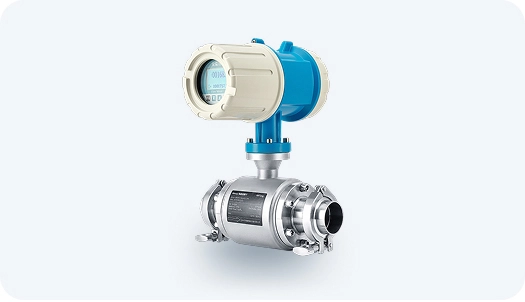
The electro magnetic meter is one of the most commonly used flow measurement devices and is widely applied in industrial processes to measure the flow of various media. Since the only parts in contact with the medium are the electrodes and the inner lining of the measuring tube, their selection should be based on the medium’s chemical properties, temperature, and pressure requirements. Therefore, appropriate electrode and lining materials must be chosen according to the specific characteristics of the medium.
Selection of Electrode Materials for Electro Magnetic Meter
1. Stainless Steel: Stainless steel electrodes offer good corrosion resistance at a relatively low cost and are commonly used in industrial applications.
2. Hastelloy B and Hastelloy C: Suitable for corrosive media such as seawater and brine.
3. Titanium: Titanium electrodes have excellent chemical inertness and superior corrosion resistance compared to stainless steel, making them ideal for highly corrosive fluids.
4. Platinum: Platinum electrodes are a premium option with outstanding corrosion resistance and stability, suitable for extremely corrosive media and for measurements under high-temperature and high-pressure conditions.
When selecting electrode materials, factors such as the chemical properties of the fluid and the presence of impurities must be considered. It is also important to ensure that the electrode material does not cause charge buildup or electrochemical reactions in the medium, which could affect measurement accuracy and reliability.
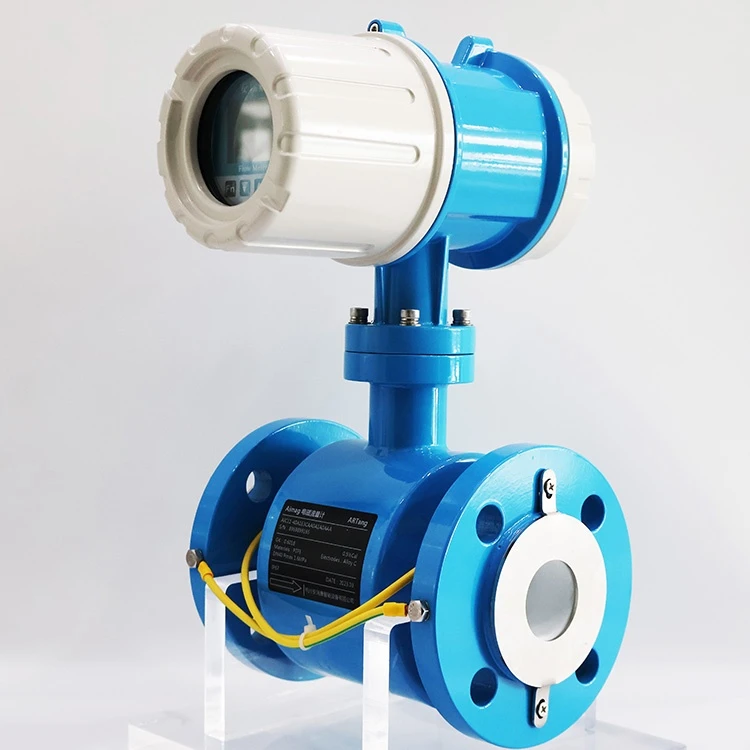
electro magnetic meter
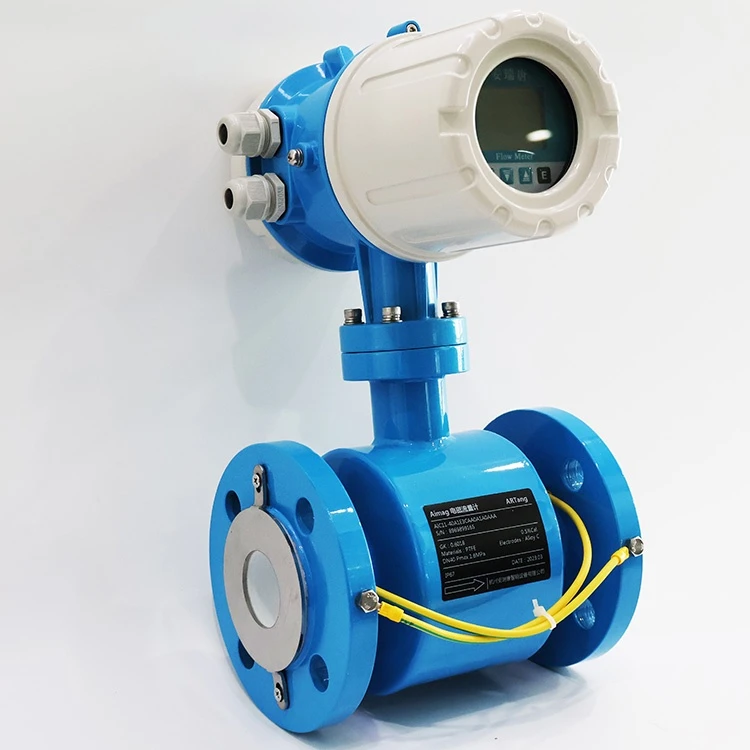
electromagnetic water meter
Selection of Lining Materials for Electro Magnetic Meter
The lining is in direct contact with the measured fluid. Its main functions are to improve the corrosion resistance of the measuring tube and to prevent the induced voltage from being short-circuited by the metal tube wall. Common lining materials include:
1. Rubber
Advantages: Excellent elasticity, high tensile strength, and good wear resistance.
Disadvantages: Limited corrosion resistance and high sensitivity to temperature changes. Long-term use at elevated temperatures can lead to aging and deformation, making it unsuitable for high-temperature or highly corrosive fluids.
Applications: Suitable for low-pressure, room-temperature fluids with mild corrosiveness.
2. Polyurethane
Characteristics: Excellent abrasion resistance but poor resistance to acids and alkalis. Suitable for measuring neutral yet highly abrasive media such as coal slurry, mineral slurry, and sludge.
Applications: Commonly used in water supply and drainage systems and wastewater treatment.
3. Polytetrafluoroethylene (PTFE)
PTFE is a widely used lining material with excellent chemical corrosion resistance. It offers good resistance to most acids and alkalis and is relatively cost-effective.
Applications: Commonly used for measuring sanitary fluids or highly corrosive liquids, such as concentrated acids and alkalis.
4. Perfluoroethylene Propylene (F46)
Characteristics: Similar properties to PTFE, with good corrosion resistance and high cost-effectiveness. The cost is lower than PTFE.
Note: Lower temperature resistance; the typical maximum process temperature should not exceed 80°C.
5. Ceramic
Advantages: Excellent wear resistance and corrosion resistance. Ceramic linings can withstand a wide range of highly corrosive media, including strong acids and strong alkalis. They offer outstanding long-term stability, maintaining consistent performance even after extended operation, which helps reduce measurement errors caused by wear and corrosion. With very high hardness, ceramics are highly resistant to abrasion, ensuring measurement accuracy and reliability. In addition, they provide excellent high-temperature resistance and can operate stably in high-temperature environments.
Electrodes and linings are key components of electro magnetic meter. Proper material selection can significantly extend service life and improve measurement accuracy. When selecting materials, multiple factors should be considered, including the chemical properties and corrosiveness of the medium, operating conditions, mechanical performance requirements, and cost. In practical applications, choosing the materials that best match the specific process requirements ensures more accurate, reliable, and stable measurement results.


