

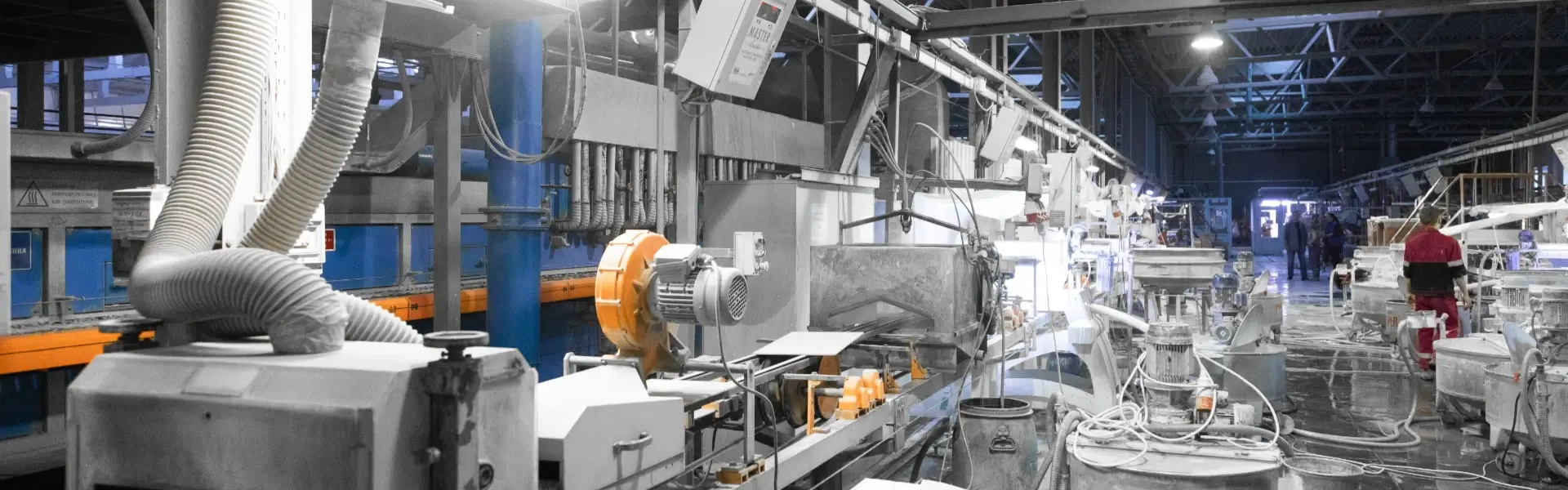
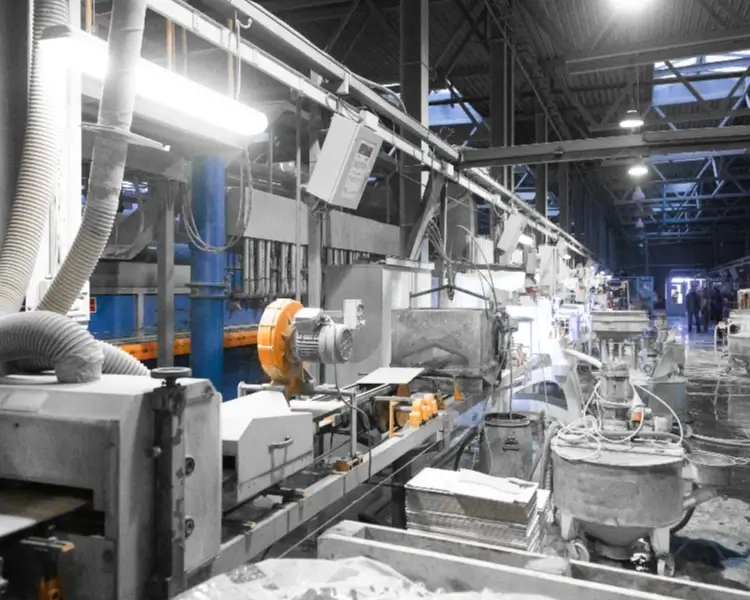


Papermaking is a complex and diverse process that involves multiple stages, including raw material preparation, pulping, bleaching, and papermaking. At each stage, the flow of water, slurry, and chemical additives must be accurately monitored. Flow measurement instruments provide real-time flow data to ensure a stable supply and precise control of various liquid media throughout the production process, thereby maintaining paper quality and improving production efficiency.
Various types of flow meters—such as electromagnetic flow meters, ultrasonic flow meters, and vortex flow meters—are widely used across different stages of papermaking. Among them, magflow meters have become the most commonly used flow measurement instruments in paper mills due to their strong adaptability, high measurement accuracy, and ease of installation and maintenance.
Taking typical medium- to large-scale paper manufacturers as an example, electromagnetic flow meters account for more than 70% of flow measurement applications in pulping, bleaching, and papermaking processes, and they also play a dominant role in wastewater treatment systems. These flow meters are not only used to monitor liquid flow in production lines but are also widely integrated into process automation systems. Through seamless integration with PLC or DCS systems, they enable precise process control and automated production management.
Main Application Scenarios in the Pulp and Paper Industry
I. Pulping and Bleaching Sections
1. Chemical Liquor Metering
During the pulping process, magflow meters are used to measure the flow of cooking chemicals such as sodium hydroxide and sodium sulfide, ensuring accurate dosing ratios between chemicals and raw materials. With high accuracy (±0.5%) and excellent corrosion resistance, electromagnetic flow meters are the preferred choice for chemical liquor flow monitoring.
2. Bleaching Agent Addition Control
In bleaching processes, the flow control of oxidizing agents such as hydrogen peroxide and chlorine dioxide requires fast response. Coriolis mass flow meters, which can measure mass flow in real time without being affected by changes in density or viscosity, achieve metering accuracy of ±0.1% in bleaching chemical dosing systems.
II. Papermaking and Chemical Addition Systems
1. Pulp Consistency Control
At the headbox stage, pulp consistency must be strictly controlled within ±0.5%. Vortex flow meters, by measuring the linear relationship between vortex shedding frequency and flow velocity and combining density compensation algorithms, enable closed-loop control of pulp flow and consistency.
2. Precise Additive Metering
In wet-end chemical addition, fluctuations in the flow of additives such as surface sizing agents and retention aids can lead to deviations in paper strength and water absorption. Intelligent electromagnetic flow meters integrate microprocessors and dual Hall sensors to keep additive flow errors within ±0.2%.
III. Stock Supply and Blending Systems
1. Pulp Ratio Control
During stock blending, magflow meters are used to measure the flow of different pulps, ensuring that each pulp stream is adjusted according to the required process ratios. This ultimately achieves stable and uniform pulp blending, which is critical to maintaining consistent paper quality.
2. Defibering and Refining Processes
In the defibering stage, magflow meters are used to accurately measure pulp flow to ensure stable defibering performance. During refining, electromagnetic flow meters work together with control valves in a PID control loop to maintain a stable pulp flow into the disc refiner.
IV. Water System Management
1. Cooling Water Flow Monitoring
In the papermaking section, electromagnetic flow meters are used to monitor cooling water flow, ensuring proper operation of the cooling system and preventing equipment overheating.
2. Industrial Water and White Water Measurement
Magflow meters are used to measure industrial water, papermaking white water, and wastewater flows. By monitoring the main water inlet, wastewater outlet, and recycled white water circulation in each papermaking workshop, water consumption per ton of paper can be effectively reduced.
V. Wastewater Treatment Systems
1. Wastewater Flow Monitoring
Papermaking wastewater treatment requires monitoring influent flow, chemical dosing rates, and reclaimed water utilization. Ultrasonic flow meters use the transit-time method to measure the velocity of fiber-containing wastewater, avoiding the clogging risks associated with traditional mechanical meters.
2. Environmental Compliance Control
Magflow meters are used in wastewater treatment systems to monitor wastewater flow and concentration in real time. This helps ensure effective treatment performance, control pollutant discharge levels, and protect the environment.
VI. Energy Management Systems
1. Steam Flow Measurement
In steam systems, ARTang steam flow meters use a dual-sensor design and digital signal processing to achieve ±1% RD accuracy when measuring wet steam (containing liquid water), helping paper mills optimize steam distribution.
2. Energy Consumption Monitoring
Electromagnetic flow meters provide accurate flow data for energy management and conservation. By monitoring and controlling flow rates, energy consumption can be optimized, reducing waste of both energy and water.
VII. Special Application Scenarios
1. Coating and Sizing Control
In paper coating and printing processes, electromagnetic flow meters are used to monitor and control the dosing of coatings and inks, ensuring consistent coating and printing quality for every sheet of paper.
2. Equipment Operating Condition Monitoring
Magflow meters can also be used to monitor air or steam flow to assess equipment operating conditions, enabling early detection and resolution of issues and ensuring stable production line operation.
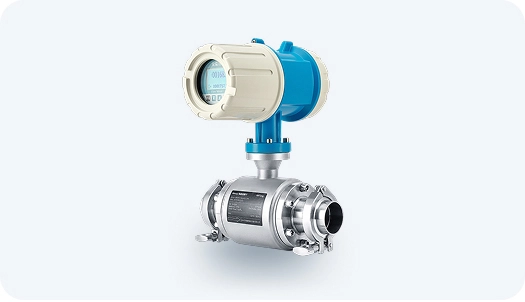
Magflow Meters
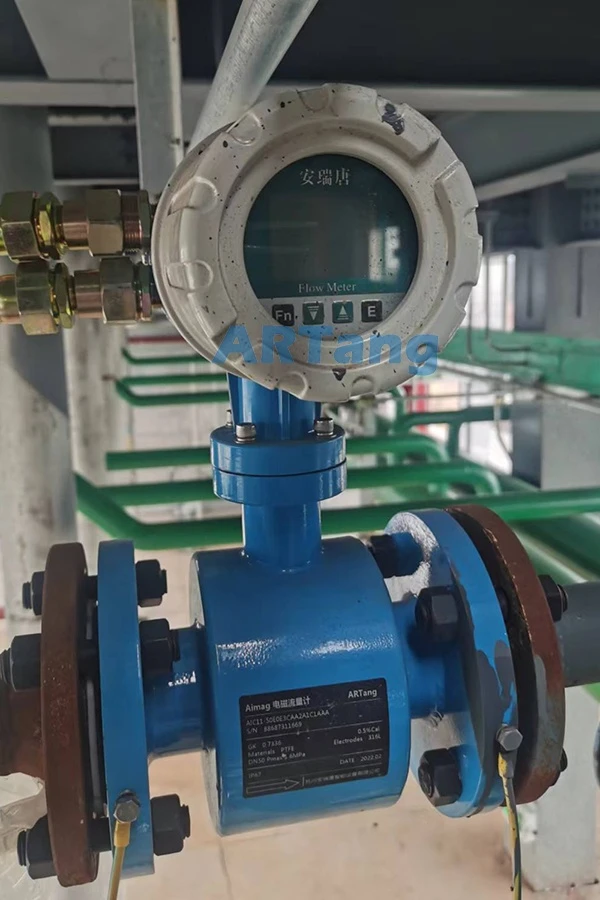
mag flow - flow transmitter
Application Case for Magflow Meters
In the papermaking industry, the media requiring flow measurement are mainly classified into slurries (such as wood pulp and bamboo pulp) and black liquor. In 2023, a well-known paper mill in Guangxi contacted our company seeking a solution for black liquor flow measurement. Their black liquor measurement involved two process stages:
Evaporation section black liquor: medium temperature of 120 °C and concentration below 3%.
Digestion (cooking) section black liquor: medium temperature of 170 °C and concentration below 3%.
The customer required stable and accurate flow measurement, good agreement with level measurement, display fluctuation of less than 2%, and a service life of more than three years.
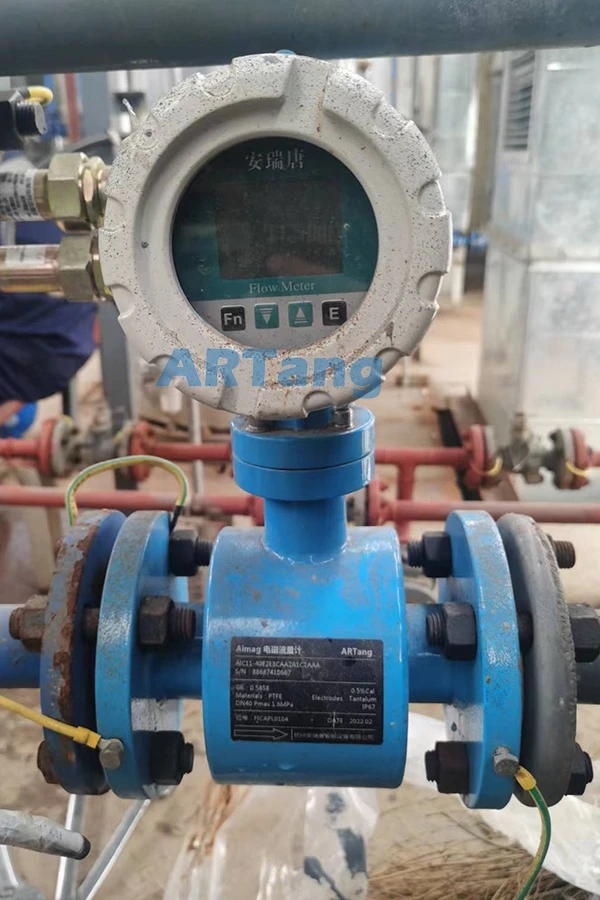
For the black liquor in the evaporation section, our company recommended the Aimag-C electromagnetic flow meter with a remote transmitter, PTFE liner, and 316L stainless steel electrodes. For the black liquor in the digestion section, considering the high-temperature characteristics, we customized a thickened PTFE liner and applied thermal insulation and heat dissipation treatments to the excitation coil and magnetic circuit system inside the sensor.
For the electrodes, spherical 316L stainless steel electrodes were used. To prevent poor electrode insulation caused by liner thermal expansion, a specially designed electrode locking structure was adopted. After reviewing our solution, the customer proceeded with the purchase. The meters are currently operating stably with accurate measurement results.


