



-
Date:2026-02-03

-
Page View:55

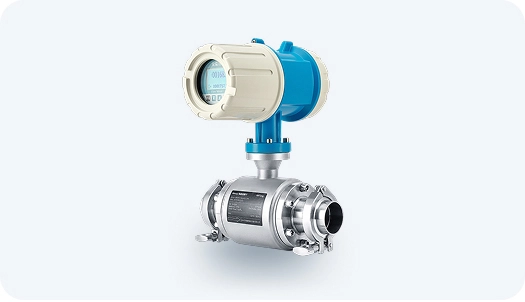
A pressure transmitter sensor is a field instrument that comes into direct contact with the measured medium. It often operates in harsh environments such as high temperature, low temperature, corrosive conditions, vibration, and mechanical shock. Therefore, when selecting a pressure transmitter, in addition to general factors like measuring range and accuracy, the working environment and characteristics of the measured medium are also critical considerations.
How to Choose a Pressure Transmitter Sensor
Measuring Range
Most pressure (and differential pressure) transmitters have an adjustable measuring span. It is recommended to set the actual operating range within 1/3 to 2/3 of the full scale, which helps ensure measurement accuracy. This is especially important for low differential pressure transmitters.
When determining the maximum pressure in the system, the selected transmitter should typically have a pressure range about 1.5 times higher than the maximum operating pressure.
High Measurement Accuracy:
Typical measurement error ranges from ±0.1% FS (full scale) to ±0.5% FS. Some high-precision models can achieve accuracy as high as ±0.075% FS, meeting the requirements for precise pressure monitoring in industrial processes such as chemical reactors and hydraulic systems.
Measured Medium
Consider the corrosiveness of the measured medium to the diaphragm capsule metal. If the medium is a clean fluid, a standard pressure transmitter can be used directly. However, for applications involving high-viscosity, easily crystallizing, or highly corrosive media, an isolated (remote seal) transmitter must be selected.
Common diaphragm materials include standard stainless steel, 304 stainless steel, and 316L stainless steel. The appropriate material should be selected according to the properties of the medium.
Wetted Materials
When measuring corrosive liquids (such as acid or alkaline solutions), a 316L stainless steel or PTFE diaphragm should be used. For high-temperature media (above 120°C), a cooling element (such as a heat sink) should be added, or a high-temperature version transmitter should be selected.
Medium Temperature
The temperature range of the measured medium must be considered to ensure the transmitter can operate normally within this range. The typical allowable medium temperature for pressure transmitters is –30 to +100°C. If the temperature is too high, a cooling siphon (condensate loop) is generally required to reduce the medium temperature.
Output Signal
Pressure transmitter sensors are available with various output signals, including 4–20 mA, 0–20 mA, 0–10 V, and 0–5 V. Among these, 4–20 mA and 0–10 V are the most commonly used.
When selecting the output signal, compatibility with the control system, PLC, DCS, or display instrument must be considered to ensure proper signal transmission and system integration.
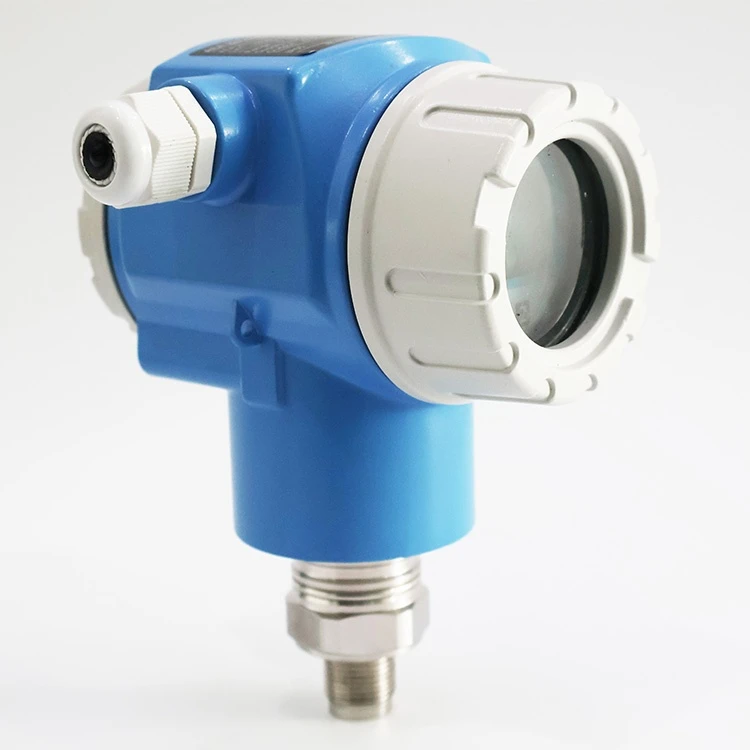
pressure transducer sensor
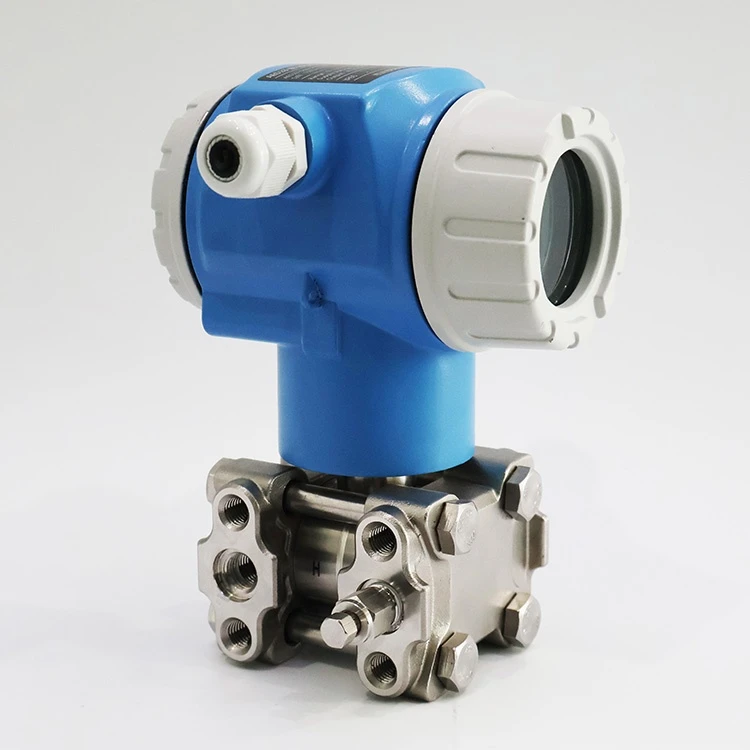
diff pressure transmitter
Explosion-Proof Requirements
In flammable and explosive environments (such as oil and gas fields or fueling stations), an explosion-proof transmitter must be selected.
Flameproof type (Ex d): Suitable for hazardous areas; the enclosure can withstand an internal explosion and prevent flame propagation.
Intrinsic safety type (Ex ia): Designed with intrinsically safe circuits, suitable for Zone 0 hazardous environments.
Always ensure the transmitter carries recognized explosion-proof certifications such as ATEX or IECEx to guarantee safety and compliance.
Stability
Stability is one of the key indicators for evaluating transmitter performance. During selection, it is important to consider whether the transmitter may experience long-term drift and how well it can adapt to changes in environmental conditions over time.
Interchangeability
Verify whether the selected transmitter can be used across multiple systems. Good interchangeability helps reduce calibration costs and allows transmitter replacement without affecting overall system performance.
Housing and Installation Method
Consider the transmitter’s housing type and installation method to ensure it can be conveniently mounted at the designated location and is suitable for the site environment.
In some practical applications, such as level measurement, the measuring range of a pressure transmitter sensor may need to be shifted (range migration). The required measuring range and migration value should be calculated based on the installation position on site.
In addition, factors such as the process connection of the pressure (or differential pressure) transmitter and the power supply voltage of the pressure transmitter sensor must be confirmed. For special applications, explosion-proof requirements and ingress protection (IP) rating should also be taken into account.


