



-
Date:2026-01-29

-
Page View:59

PT pressure transmitters are mainly used for measuring and controlling pressure parameters in industrial processes. They are widely applied in industries such as petroleum, chemical processing, and power generation. There are many types of pressure transmitters, which can be classified in different ways based on their working principles and applications.
Pressure transmitters are primarily used for remote pressure indication and control. They often operate in harsh environments such as high temperatures, low pressure conditions, corrosive atmospheres, and areas with strong vibration, which makes the likelihood of failure relatively high.
Common Faults of PT Pressure Transmitters
Various faults are unavoidable during the operation of PT pressure transmitters, and many factors can contribute to these issues. For example, leakage of the fill fluid between the diaphragm and the sensing element inside the transmitter, zero drift, span shift, and unstable output can all reduce measurement accuracy or even cause damage to the transmitter. Environmental factors can also affect the transmitter. Lightning strikes may damage the circuitry inside the transmitter diaphragm capsule and cause communication failure. Humid environments can damage wiring. An improperly selected measurement range may lead to irreversible deformation of the pressure-sensing element. Several common types of faults are described below:
(1) Wiring Faults
When a wiring fault occurs, the computer display may show abnormal values. Open the transmitter junction box and check for loose connections, short circuits, or open circuits. Troubleshooting can be carried out by checking the power supply, testing insulation resistance, and measuring circuit resistance.
(2) Variable Frequency Interference
During cable routing, different signal lines may interfere with each other. Interference is especially severe when power cables and signal cables are routed in the same conduit. This may result in communication failure or incorrect readings from the transmitter. Such problems can be avoided by increasing the separation distance between instrument cables and power cable trays.
(3) Impulse Line Faults
Common impulse line faults include blockage, air leakage, and liquid accumulation. Blockage is usually caused by untimely purging or by dirty or viscous media. Air leakage occurs because transmitters are connected with multiple accessories such as electrical connectors and shut-off valves, which increase potential leakage points. Liquid accumulation in impulse lines is typically caused by improper gas pressure tapping methods or incorrect installation of impulse lines, and it can significantly affect measurement accuracy.
(4) Electrical Signal Transmission Faults
Improper use or maintenance of pt pressure transmitters can easily lead to electrical signal transmission problems. For example, to save time, a transmitter may be installed too close to the measured equipment, resulting in an excessively long signal transmission distance. This can cause signal interference or attenuation. In such cases, the cross-sectional area of the cable should be increased as required.
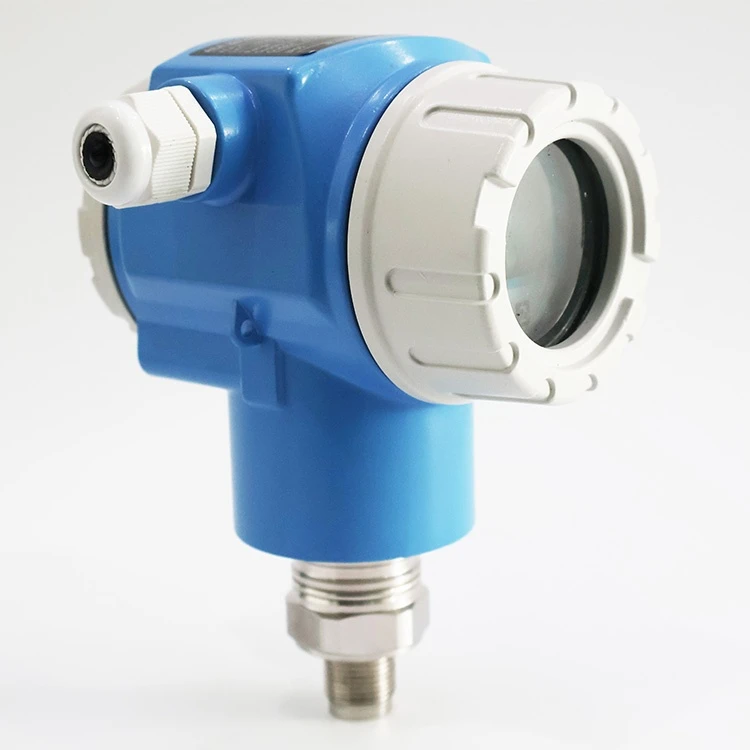
PT Pressure Transmitter
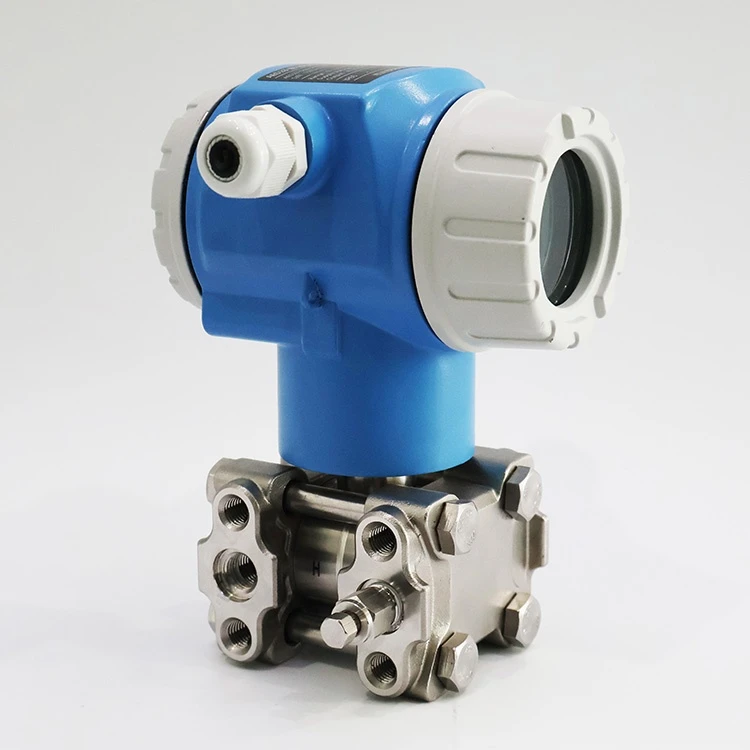
dpt differential pressure transmitter
PT Pressure Transmitter Troubleshooting
1. Output Signal is Zero
When a PT pressure transmitter shows zero pressure, the issue can be handled as follows:
First, check whether there is actual pressure in the pipeline and whether the instrument power supply is normal. Then check if the power supply polarity is reversed. Finally, inspect the electronic circuit board, sensing diaphragm, and transmitter supply voltage.
2. No Response to Applied Pressure
If there is no response when pressure is applied, check whether the valves in the impulse line are operating properly, whether the transmitter protection jumper settings are correct, and whether the impulse line is blocked. Also check the transmitter zero and span settings, and replace the sensing diaphragm if necessary.
3. Pressure Reading Deviation
If the pressure reading is obviously too high or too low, first check the impulse line for leakage. Then inspect the valves on the impulse line and fine-tune the sensor calibration. If the problem persists, replace the sensing diaphragm.
4. Unstable Pressure Readings
This issue can be troubleshot by isolating external interference sources, checking for leaks in the impulse line, inspecting the pipeline for debris or blockage, examining whether the isolation diaphragm is corroded or deformed, and checking the sensing diaphragm.
We have reviewed the common fault types of pt pressure transmitters and their corresponding troubleshooting methods. In practical applications, users should take appropriate measures based on specific operating conditions to diagnose and resolve issues. Meanwhile, strengthening routine maintenance and implementing preventive measures are effective ways to reduce the occurrence of failures.


