



-
Date:2026-01-27

-
Page View:53

Proper use of a pH electrode sensor (also known as a pH electrode) is essential to ensure accurate water quality monitoring and extend the electrode’s service life. The following key steps and tips should be observed when using a pH electrode sensor:
1. Installing the Electrode
Choose a suitable location: Make sure the installation point is appropriate for the measurement area. The pH electrode usually needs to be fully immersed in the water, and air bubbles should not accumulate on the electrode surface, as this can affect measurement accuracy.
Avoid excessive vibration or sudden changes: The electrode should be protected from strong vibration and hydraulic impact to prevent damage or unstable readings.
Connect the device: Connect the electrode correctly according to the pH instrument’s connector type (such as a BNC connector). Before connection, ensure both the electrode plug and the instrument socket are clean and free of contamination.
2. Calibrating the pH Electrode
Calibration frequency: The pH electrode should be calibrated regularly. It is generally recommended to calibrate before each use or at regular intervals (such as daily or weekly), depending on usage conditions.
Calibration buffer solutions: Use high-accuracy pH buffer solutions for calibration. Common buffers include pH 4.00, pH 7.00, and pH 10.00. Select the appropriate buffers based on the expected pH range of the sample.
Two-point calibration: Most pH meters use a two-point calibration method. First, use a neutral buffer (pH 7.00) for zero-point calibration, then use another appropriate buffer (such as pH 4.00 or pH 10.00) to complete the calibration, ensuring accurate measurement.
Temperature compensation: Since pH is temperature-dependent, enable the temperature compensation function during calibration, or use buffer solutions that are close to the sample temperature.
3. Keeping the Electrode Clean
Clean the electrode surface: Regularly clean the glass surface of the pH electrode to prevent dirt or deposits from affecting measurements. Use deionized water, distilled water, or specialized cleaning solutions (such as dilute acid or dilute alkaline solutions). Do not use highly corrosive cleaning agents.
Avoid grease and particles: During measurement, prevent grease, dirt, suspended solids, and other contaminants from contacting the electrode. These substances can affect electrode performance and reduce measurement accuracy.
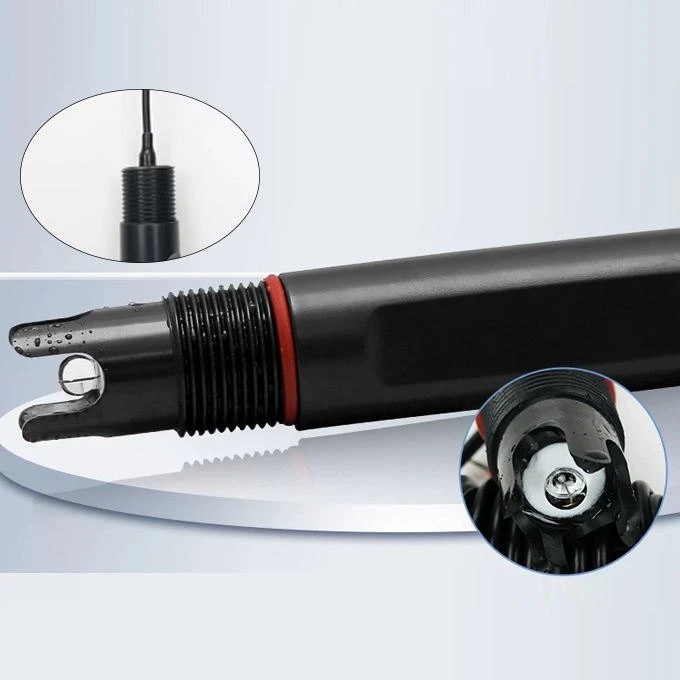
pH electrode sensor
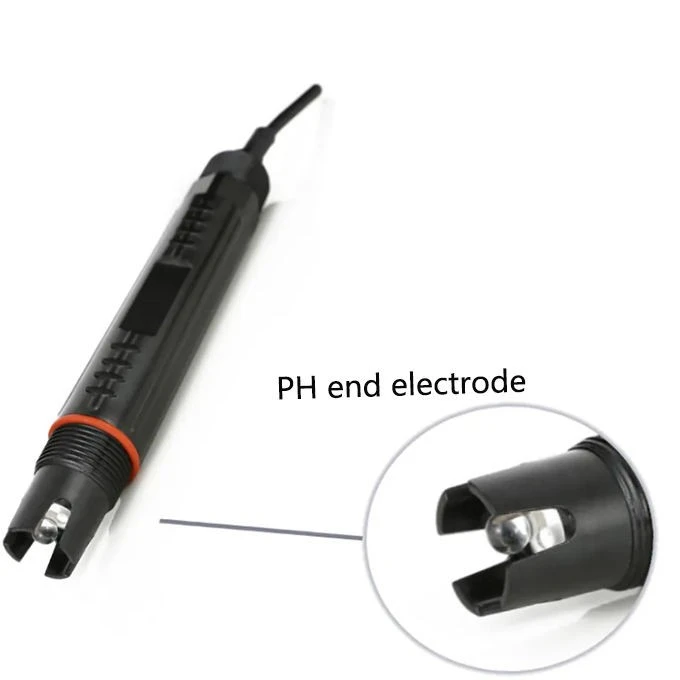
Industrial pH electrode
4. Precautions During Use
Immersion depth: Ensure the pH electrode is fully immersed in the sample solution. Typically, the sensing membrane should be submerged at least 3–5 cm (depending on the specific electrode model).
Avoid high temperatures and intense chemical reactions: pH electrodes are generally temperature-sensitive. Avoid immersing the electrode in solutions that are too hot (the typical operating temperature range is 0°C–80°C). In addition, avoid exposing the electrode to strongly acidic or strongly alkaline environments.
Avoid direct exposure to air: During measurement, try to minimize the electrode’s exposure to air, as this may affect the stability of the glass membrane and the accuracy of the pH reading.
5. Regular Inspection and Maintenance
Inspect the electrode regularly: Check whether the glass membrane of the pH electrode has cracks or damage. If the membrane is damaged, the electrode should be replaced. Also, regularly inspect the electrode cable, connectors, and instrument interface to ensure proper operation.
Store the electrode properly: When not in use, store the electrode in an appropriate storage solution (such as pH storage solution or a dilute acid solution) to prevent drying. If the electrode dries out, it may not recover normal performance.
6. Pay Attention to Electrode Service Life
Electrode aging: As usage increases, the sensitivity of a pH electrode gradually declines. The service life depends on operating conditions and frequency of use, but under typical conditions, replacement is often needed after about one year.
Electrode replacement: If the electrode shows significant drift, unstable readings, or cannot achieve accurate values even after calibration, it may be time to replace it.
7. Recording and Analyzing Data
Record measurement values: Each time a pH electrode is used, the measured pH value should be recorded. In applications requiring precise pH control—especially in industrial processes—recording both pH and temperature changes helps with process analysis and adjustment.
Data analysis: Use calibration records and temperature compensation data to verify measurement accuracy. If large deviations are observed, check whether the electrode needs cleaning or replacement.
Proper use of a pH electrode sensor requires regular calibration, cleaning, and keeping the electrode in good condition, while avoiding extreme environmental conditions and physical damage. Routine maintenance and inspection ensure accurate and stable measurements, thereby maintaining the reliability of water quality monitoring.


