



-
Date:2026-02-10

-
Page View:23

A sanitary pressure transmitter is specifically designed for pressure measurement and monitoring in hygienic environments. It features corrosion resistance, a hygienic design, high accuracy, and safe, reliable performance. It is used to monitor and control pressure in various processes, such as overseeing pressure in food processing lines, measuring pressure in pharmaceutical vessels, or ensuring proper pressure levels in bioreactors.
Key Features of Sanitary Pressure Transmitters
Superior Hygienic Performance:
A flush diaphragm is used as the sensing element, designed to prevent direct contact between the process media and metal components. This effectively eliminates sanitary dead zones. While ensuring accurate measurement, the design reduces the risk of bacteria, debris, and other contaminants adhering to the surface, significantly improving overall hygiene performance.
Excellent Corrosion Resistance:
Manufactured with special materials and advanced surface treatment processes, the transmitter offers outstanding resistance to corrosion and can handle a wide range of acidic, alkaline, and saline media. This greatly extends service life and reduces maintenance costs.
High Measurement Accuracy:
Measurement accuracy can reach ±0.25% or better, meeting the requirements of high-precision applications.
Wide Turndown Ratio:
With a turndown ratio of up to 100:1, the transmitter can accommodate a broad range of pressure variations. This allows it to better handle pressure fluctuations and extreme pressure conditions, enhancing measurement stability and reliability.
Fast Response Time:
Designed for rapid response, with response times at the millisecond level. This enables timely and accurate pressure data acquisition, improving process control accuracy and overall operational stability.
Easy Installation:
Compact in structure and small in size, the transmitter is easy to install and adaptable to various mounting spaces and positions. Multiple installation options are available to meet different application requirements.
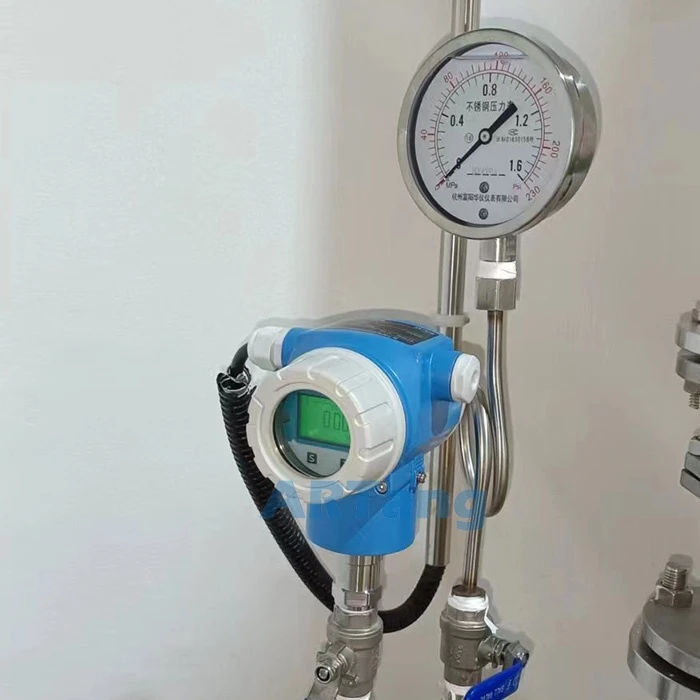
sanitary pressure transmitters
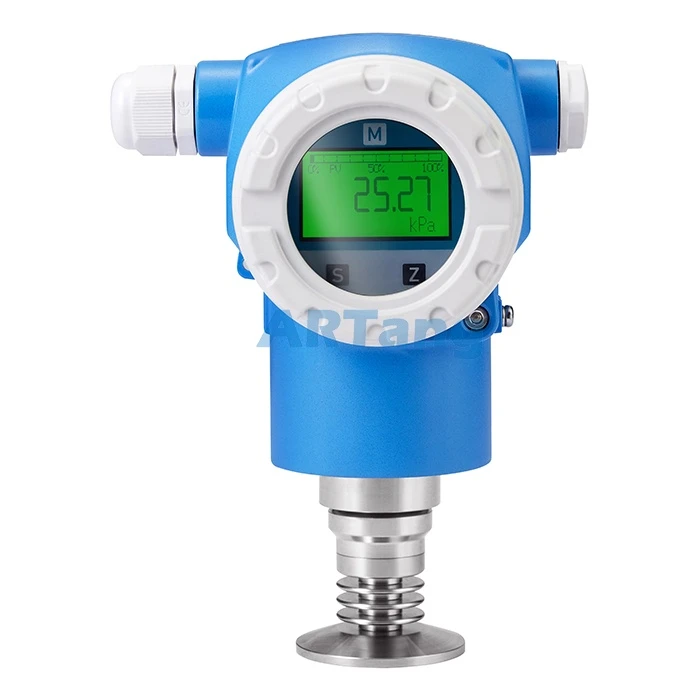
hygienic pressure transmitter
Selection Tips for Sanitary Pressure Transmitters
Define Your Measurement Requirements:
Start by clearly identifying your application needs, including the type of media, pressure range, required accuracy level, and installation environment. Select the appropriate model and specifications based on these parameters.
Consider Pressure Range and Overload Capacity:
Choose a flush diaphragm sanitary pressure transmitter with a suitable measurement range to fully cover the actual operating pressure. At the same time, evaluate its overload capability to ensure the device will not be damaged under abnormal pressure conditions.
Focus on Accuracy and Stability:
The transmitter should provide precise and stable readings, as even minor pressure deviations can have significant impacts—especially in regulated industries such as food and pharmaceuticals.
Check Media Compatibility:
Make sure the selected transmitter is compatible with the process media to prevent measurement errors caused by corrosion, chemical reactions, or material buildup.
Ensure Hygienic Design:
The transmitter should feature a clean, sanitary design without gaps, crevices, or corners where bacteria or contaminants could accumulate, ensuring compliance with hygienic standards.
Ease of Use and Maintenance:
Select equipment that is easy to install, operate, and maintain to support efficient and reliable long-term performance.
Main Applications of Sanitary Pressure Transmitters in Hygienic Industries
Pharmaceutical Manufacturing:
In pharmaceutical production, sanitary diaphragm pressure transmitters are used to measure and monitor the pressure of various medicinal liquids, solvents, and gases. Their smooth, crevice-free design helps prevent particle buildup and microbial growth, ensuring compliance with strict hygienic standards.
Food Processing:
In food processing applications, these transmitters are used to measure and monitor the pressure of viscous media such as juices, sauces, and dairy products. Their easy-to-clean and easy-to-maintain design helps reduce cross-contamination between batches and improves overall product quality.
Biotechnology Industry:
In biotechnology, sanitary diaphragm pressure transmitters are commonly used to monitor pressure changes in fermenters and bioreactors. Their excellent sealing performance and corrosion resistance help ensure the stability and safety of biological processes.
Chemical Production:
In certain chemical processes, these transmitters are used to measure and control the pressure of corrosive media. Their specialized materials and structural design provide strong resistance to chemical corrosion, ensuring long-term stable operation.
The hygienic design of pressure transmitters plays a critical role in food and pharmaceutical manufacturing processes. Proper design and selection of sanitary pressure transmitters can reduce cleaning time, improve operational efficiency, and effectively minimize the risk of secondary contamination—ultimately ensuring the safety and quality of food and pharmaceutical production.


