



-
Date:2025-12-23

-
Page View:94

A pH sensor probe is an indispensable measurement tool in fields such as water quality monitoring, chemical production, and environmental protection. Its selection directly affects the accuracy and stability of measurement results. When choosing a pH sensor, multiple factors must be considered to ensure the selected probe meets the requirements of the actual application. The key factors include the following:
Factors for Selecting a pH Sensor Probe
I. Measurement Range and Accuracy
Measurement Range:
Select a pH sensor probe with an appropriate measurement range based on the pH range of the solution being measured. For strongly acidic or strongly alkaline solutions, a sensor capable of withstanding extreme pH values is required.
Measurement Accuracy:
Determine the required accuracy according to application needs. Higher accuracy generally provides more reliable measurement results, but it may also increase costs. A balance between accuracy and cost should be considered during selection.
II. Sensor Type and Construction
Sensor Type:
pH sensor probes mainly include glass electrode types, antimony electrode types, and ISFET (Ion-Sensitive Field-Effect Transistor) types. Different sensor types vary in measurement principle, response time, and stability, and should be selected based on the specific application.
Construction and Design:
Choose a suitable sensor construction based on the installation environment and measurement requirements, such as immersion type, flow-through type, or fixed-mounted type. The selected design should allow for easy installation, maintenance, and operation.
III. Environmental Adaptability
Temperature Range:
Consider the temperature range of the measured solution and select a pH sensor probe that can operate reliably within that range. High or low temperatures may affect sensor performance, so probes with appropriate temperature compensation should be chosen.
Pressure Range:
For measurements in high-pressure environments, select a pH sensor that can withstand the required pressure conditions.
Chemical Compatibility:
Identify the chemical substances and their concentrations in the measured solution, and choose a pH sensor that is chemically compatible. Certain chemicals may cause corrosion or fouling of the sensor, which can negatively affect measurement accuracy.
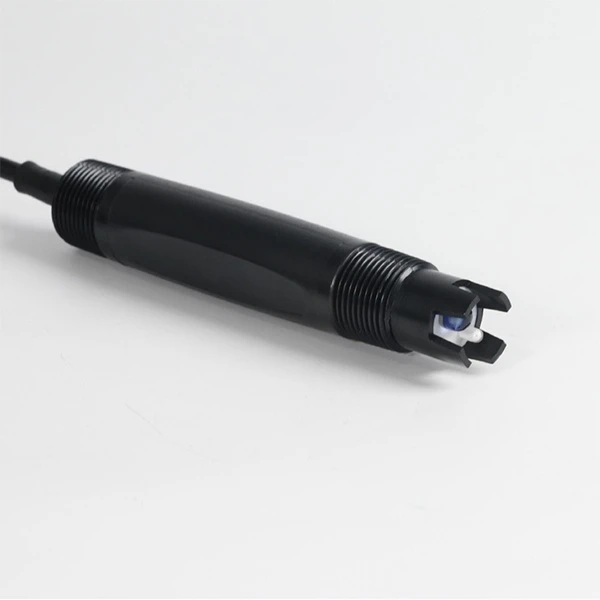
ph sensor probe
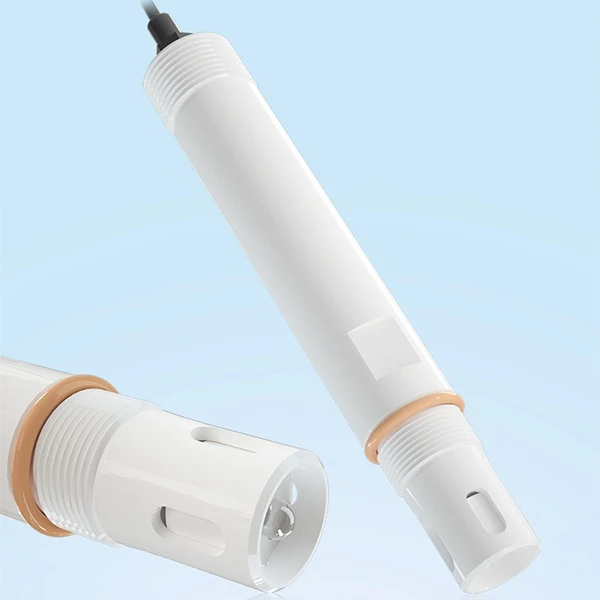
pH Probes Sensors
IV. Signal Output and Communication Interfaces
Signal Output:
Select an appropriate signal output type based on application requirements, such as analog signals (e.g., 4–20 mA) or digital signals (e.g., RS-485, Modbus). The chosen output should allow easy integration with data acquisition systems or control systems.
Communication Interfaces:
For applications requiring remote monitoring or data transmission, choose a pH sensor equipped with communication interfaces. The interface should support convenient data exchange and communication with host systems or cloud platforms.
V. Stability and Service Life
Long-Term Stability:
Select a pH sensor probe with proven long-term stability to ensure measurement accuracy and consistency during continuous operation.
Service Life:
Understand the expected service life of the sensor and select it according to application requirements. Sensors with a longer service life can reduce replacement frequency and maintenance costs.
VI. Cost and Maintenance
Purchase Cost:
Choose a cost-effective pH sensor based on your budget and application needs.
Maintenance Cost:
Consider maintenance costs, including calibration, cleaning, and replacement. Selecting sensors that are easy to maintain and have longer calibration intervals can significantly reduce overall maintenance expenses.
Conclusion
Selecting a pH sensor probe requires consideration of multiple factors, including measurement range and accuracy, sensor type and construction, environmental adaptability, signal output and communication interfaces, stability and service life, cost and maintenance, as well as brand reputation and after-sales support. By evaluating these factors comprehensively and aligning them with the specific application, you can ensure the selected pH sensor meets operational requirements and delivers accurate, stable, and reliable measurements.


