



-
Date:2025-12-02

-
Page View:146

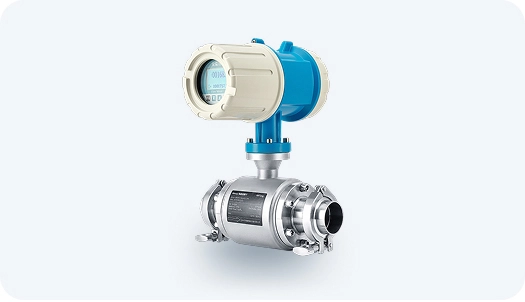
Ultrasonic liquid flow meter are used to measure the flow rate of liquids or gases across a wide range of industries. These flowmeters are highly popular due to their non-invasive nature, high accuracy, and versatility. Based on ultrasonic technology, they measure fluid velocity and can handle various types of fluids, including clean, dirty, aerated, or corrosive liquids.
Types of Ultrasonic Liquid Flow Meter
Transit-Time Ultrasonic Flowmeters
Transit-time ultrasonic flowmeters use paired ultrasonic transducers to measure the time it takes for ultrasonic signals to travel between the transducers in both the upstream and downstream directions. By comparing the difference in travel time, the fluid velocity can be accurately calculated. This type of flowmeter is ideal for measuring clean, homogeneous liquids and offers high accuracy and repeatability.
Doppler Ultrasonic Flowmeters
Doppler flowmeters measure fluid velocity based on the reflection of ultrasonic signals off particles or bubbles within the fluid. When the ultrasonic signal encounters gas bubbles or solid particles, a frequency shift occurs. The flowmeter detects this frequency shift to determine flow velocity. This type is commonly used for fluids containing gas or suspended solids, such as wastewater or slurries.
Hybrid Ultrasonic Flowmeters
Hybrid ultrasonic flowmeters combine both transit-time and Doppler technologies, providing accurate measurement under a wide range of fluid conditions. By integrating the strengths of both methods, hybrid ultrasonic flowmeters offer strong versatility and high reliability, making them well-suited for challenging flow measurement applications.
Understanding the different types of ultrasonic flowmeters helps users make informed decisions based on the specific characteristics of their fluid and operational requirements.
Advantages of Ultrasonic Liquid Flow Meter
Ultrasonic liquid flow meter offer a wide range of benefits, making them widely adopted in both industrial and commercial applications.
Non-intrusive Measurement:
ultrasonic liquid flow meter do not need to come into direct contact with the fluid, and installation does not require cutting into the pipe or interrupting flow. This non-intrusive nature reduces installation time and maintenance, making them a convenient and cost-effective flow measurement solution.
High Accuracy and Wide Measurement Range:
These flowmeters typically offer measurement accuracy within ±1%, with pipe size compatibility ranging from 10 cm to 6 m, making them suitable for various industrial requirements.
No Direct Contact with the Fluid:
Clamp-on ultrasonic sensors do not touch the fluid directly, preventing contamination. This makes them ideal for applications in food processing, medical fields, chemical processes, biotechnology, and other industries requiring strict hygiene standards.
Multiple Output Options and Data Storage:
Ultrasonic flowmeters can be equipped with various outputs, including 4–20 mA, pulse, relay, RS485, Modbus, M-Bus, HART, batch controllers, and more. Modbus, in particular, enables easy network setup and provides convenient data access and system monitoring for remote locations.
Low Maintenance Cost:
Since ultrasonic flowmeters have no moving parts, wear and mechanical failures are minimized. This reduces long-term maintenance and replacement frequency, ultimately lowering overall service costs.
Flexible Installation:
They can be installed on the outside of the pipe without cutting or welding, which is especially valuable in applications where minimizing downtime is critical.
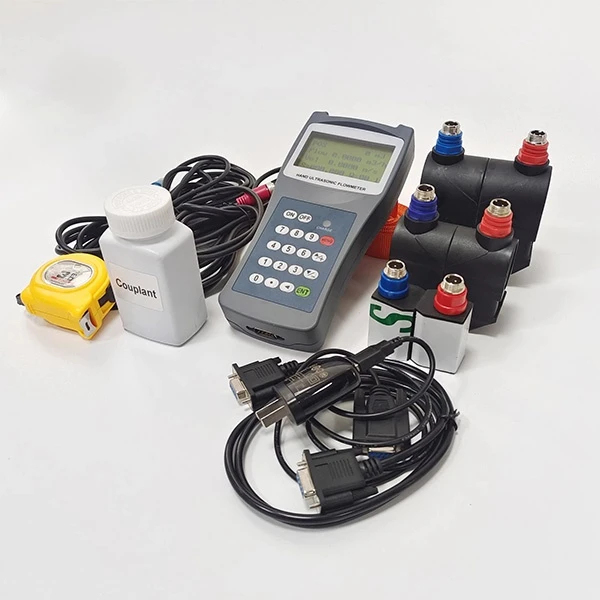
handheld ultrasonic flow meter
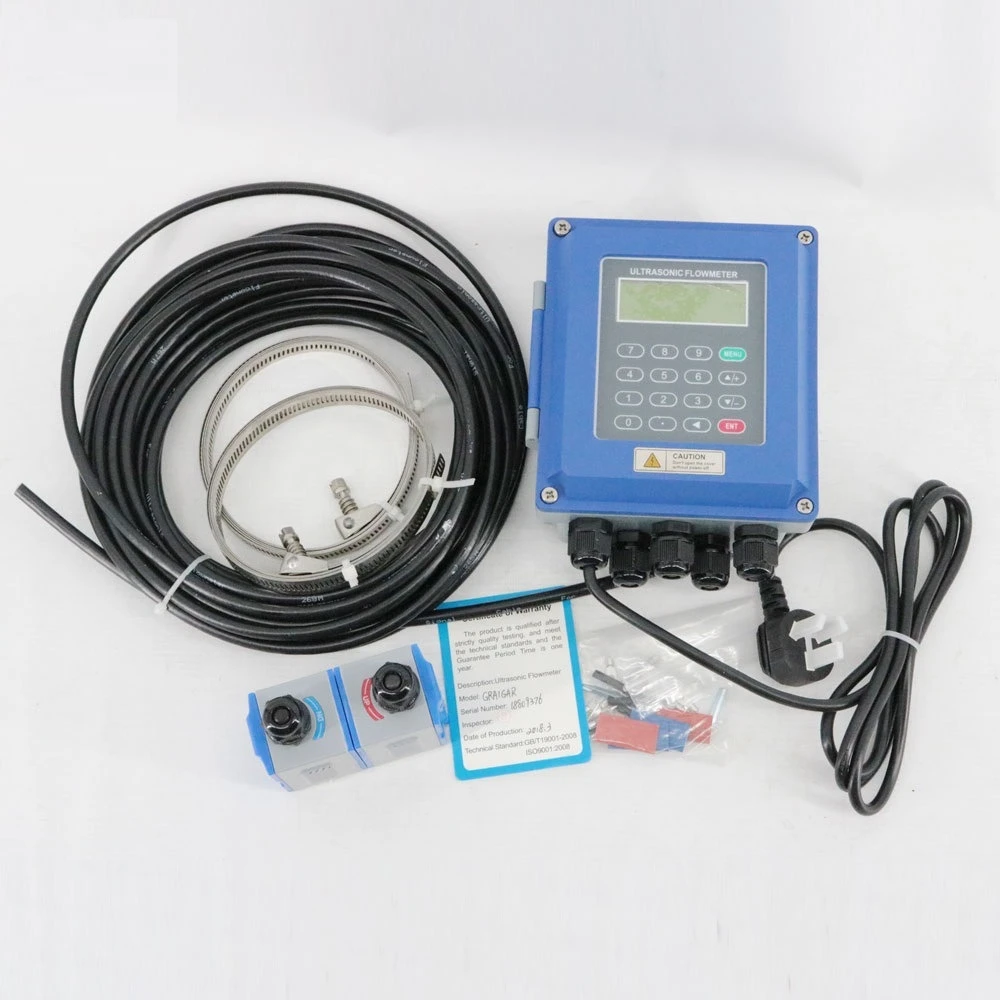
ultrasonic liquid flow meter
Applications of Ultrasonic Liquid Flow Meter
Industrial Process Monitoring:
ultrasonic liquid flow meter are widely used in chemical manufacturing, food and beverage production, and pharmaceutical processing to monitor the flow of liquids and gases. Their high accuracy and non-intrusive measurement design make them suitable for corrosive, high-viscosity, or impurity-laden media. With a wide measuring range, they can handle everything from very small flows to extremely large flow rates in complex industrial conditions.
Water and Wastewater Management:
They are used to monitor water consumption, detect leaks, and measure the flow of water and wastewater in distribution networks and treatment plants.
Hydraulic and Environmental Monitoring:
ultrasonic liquid flow meter play an important role in hydraulic engineering and environmental monitoring. They can measure the flow in reservoirs, rivers, and irrigation channels, providing essential data for water resource management, flood forecasting, and ecological restoration. For example, in flood early-warning systems, ultrasonic liquid flow meter can track real-time river flow changes and issue timely alerts.
Energy Management and Optimization:
In the energy sector, ultrasonic flow meters measure the flow of steam, hot water, and other media, supplying accurate data for energy monitoring. Their high accuracy and low power consumption make them ideal for optimizing energy usage and reducing waste.
HVAC and Building Automation Systems:
ultrasonic liquid flow meter are integrated into heating, ventilation, and air-conditioning (HVAC) systems to measure the flow of water and other fluids, enabling precise temperature control and energy savings. Their non-intrusive installation and high accuracy make them an excellent fit for building automation and energy-efficient HVAC solutions.
Factors to Consider When Choosing an Ultrasonic Liquid Flow Meter
Fluid Characteristics: Understanding the properties of the fluid—such as viscosity, temperature, and the presence of air bubbles or particulate matter—is essential when selecting the right ultrasonic liquid flow meter. Different fluid conditions may require specific ultrasonic technologies to achieve accurate flow measurement.
Pipe Material and Diameter: The material and diameter of the pipe where the flowmeter will be installed directly influence the selection of ultrasonic transducers and the compatibility of the flowmeter with existing piping infrastructure. Ensuring proper compatibility is critical for effective installation and reliable operation.
Flow Range and Accuracy Requirements: Determining the expected flow range and the required measurement accuracy helps in selecting an ultrasonic flow meter with the appropriate capabilities. Different types of ultrasonic flow meters offer varying measurement ranges and precision levels to meet specific application needs.
Environmental Conditions: Considering environmental factors such as extreme temperatures, humidity, and potential exposure to chemicals or abrasive substances helps in choosing a durable, well-protected ultrasonic flow meter. The device should be capable of withstanding the operating conditions of the application environment.
Conclusion
ultrasonic liquid flow meter provide a non-intrusive, accurate, and versatile solution for a wide range of applications, transforming how flow measurement is performed. By choosing the appropriate type of ultrasonic flow meter based on operating principles, installation conditions, and application environments, users can significantly improve measurement accuracy and operational efficiency.


