

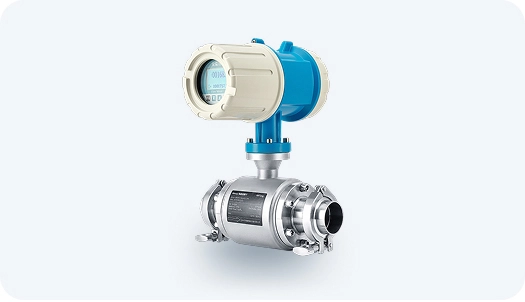
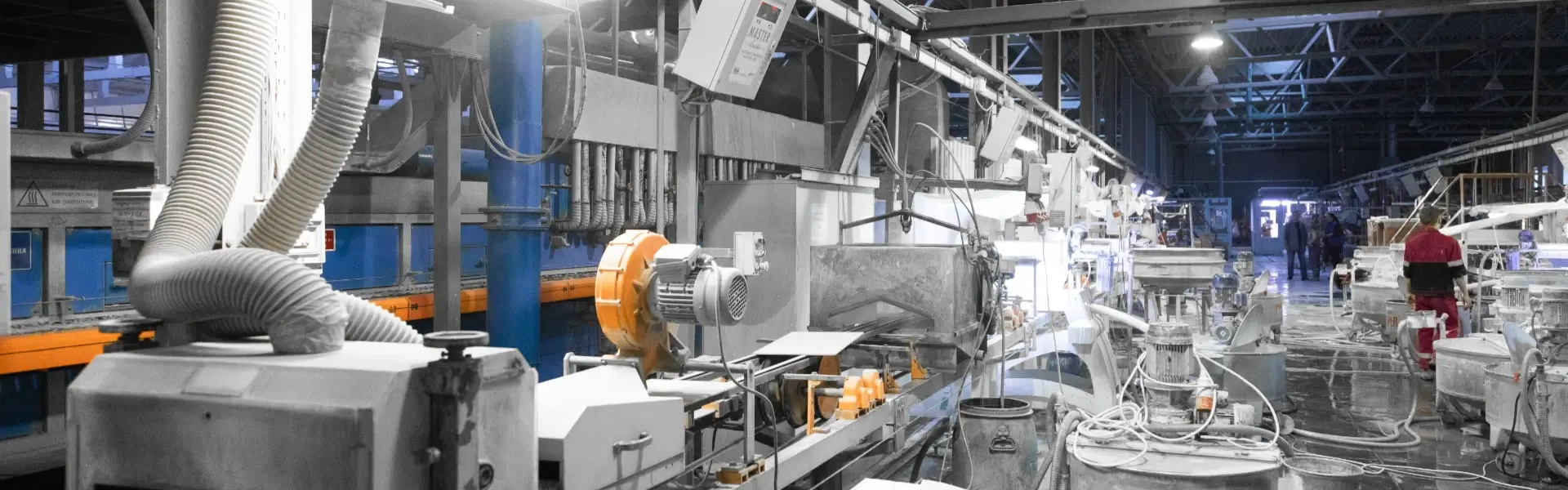
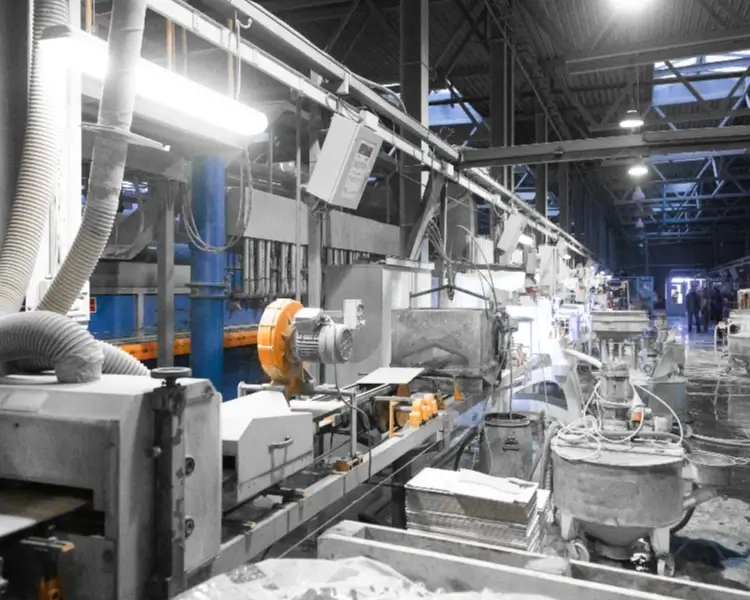


In the papermaking process, stock preparation is the primary stage. Pulp is mainly composed of water, fibrous raw materials, and various chemical additives, making it a conductive liquid. Magflo meter can accurately measure the flow rate of pulp in pipelines, providing fundamental data for subsequent process control. For example, during pulp blending, precise control of the flow rate of different components through electromagnetic flow meters ensures stable pulp quality and helps maintain key paper properties such as strength and brightness within production requirements.
In the paper coating process, the coating liquid is typically conductive as well. Magflo meter can precisely measure the flow rate of the coating solution to ensure uniform coating application. Coating uniformity directly affects printing quality, surface gloss, and other paper performance characteristics. Uneven coating can lead to color variation and inconsistent gloss, reducing the product’s market competitiveness. Through accurate measurement and control using magflo meter, coating quality can be effectively improved, enabling the production of high-quality paper products.
Measurement Challenges
(1) High Temperature and High Pressure
After mechanical refining, pulp temperature can exceed 80 °C (176 °F). The extraction and circulation of black liquor also take place under high-temperature and high-pressure conditions.
(2) Liner Wear
High-consistency pulp, recycled fiber slurry, and blow lines from digesters can cause severe wear to the liner of electromagnetic flow meters.
(3) Slurry Noise Interference
When high-consistency pulp and fibers pass through an electromagnetic flow meter, friction between the fibers and the electrodes can easily occur, generating spike noise interference that affects signal stability.
(4) Electrode Scaling
When measuring fuels, chemical agents, or liquids prone to crystallization, insulating deposits may form on the electrodes of the electromagnetic flow meter, which can interfere with accurate measurement.
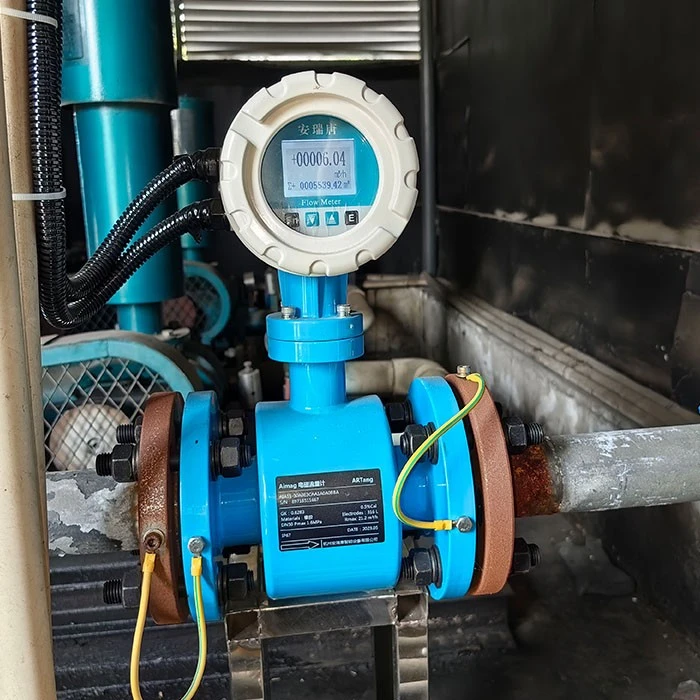
emfm flow meter
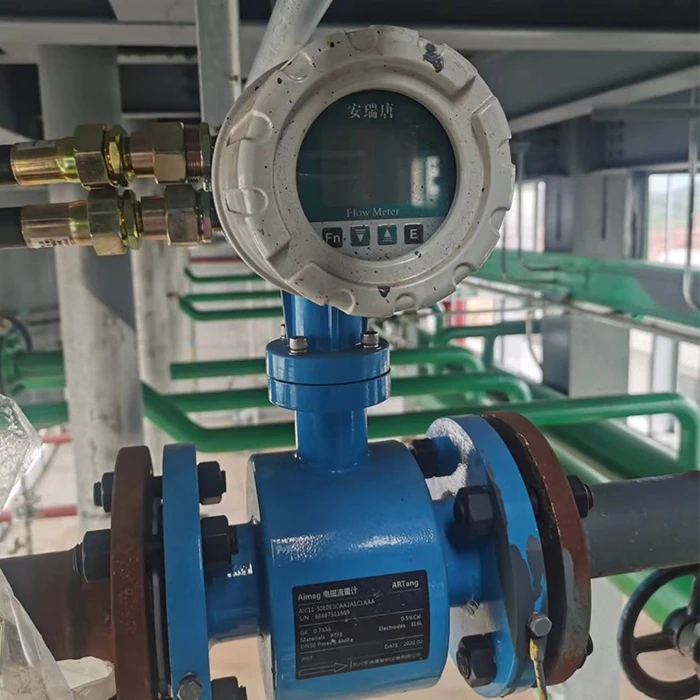
electromagnetic type flow meter
Magflo Meter Selection for the Paper Industry
Based on the special characteristics of the papermaking process and the challenges involved, the application and selection of magflo meter in the paper industry can be analyzed as follows:
1. Liner Selection
The media measured in the papermaking process are characterized by high temperature and high pressure, and they contain large amounts of chemicals with corrosive properties. Therefore, electromagnetic flow meters typically use high-temperature-resistant PTFE liners, and the meters are designed in a remote (separate) type configuration.
Although PTFE liners are resistant to high temperatures, they are not resistant to vacuum conditions. In certain special environments — such as at the outlet of medium-consistency pulp towers — the medium not only has high consistency and high temperature, but intermittent vacuum conditions may also occur. In such cases, a PFA liner with a stainless steel backing mesh should be selected to prevent PTFE liner deformation or bulging.
Based on many years of practical application, PTFE, PFA, or F46 (FEP) liners are commonly used in the paper industry. In addition, installing neck-type grounding rings during meter installation can significantly improve liner wear resistance.
2. Electrode Selection
The selection of electrodes for magflo meter in the paper industry mainly considers two factors:
Corrosion resistance
Anti-scaling performance
A large amount of chemicals is added during the papermaking process, such as NaOH, Na₂SiO₃, concentrated H₂SO₄, and H₂O₂. Different electrodes must be selected according to the specific chemicals involved. For example:
Tantalum electrodes are required for strongly acidic media
Titanium electrodes are generally used for alkaline media
316L stainless steel electrodes are sufficient for ordinary water measurement
Improper electrode selection can lead to electrode corrosion, which may result in moisture ingress into the electrodes and measurement failure.
ARTang Instruments customized a thickened PTFE liner for this application and implemented thermal insulation and heat dissipation measures for the sensor’s internal excitation coils and magnetic circuit system. For the electrodes, spherical 316L electrodes were used. To prevent poor electrode insulation caused by liner expansion due to heat, a specially designed electrode locking structure was adopted.
After reviewing ARTang’s proposed solution, the customer proceeded with the purchase. The system has now been in operation for over one year, running stably with accurate measurement performance.


